
Sensors
Showing all 3 Products
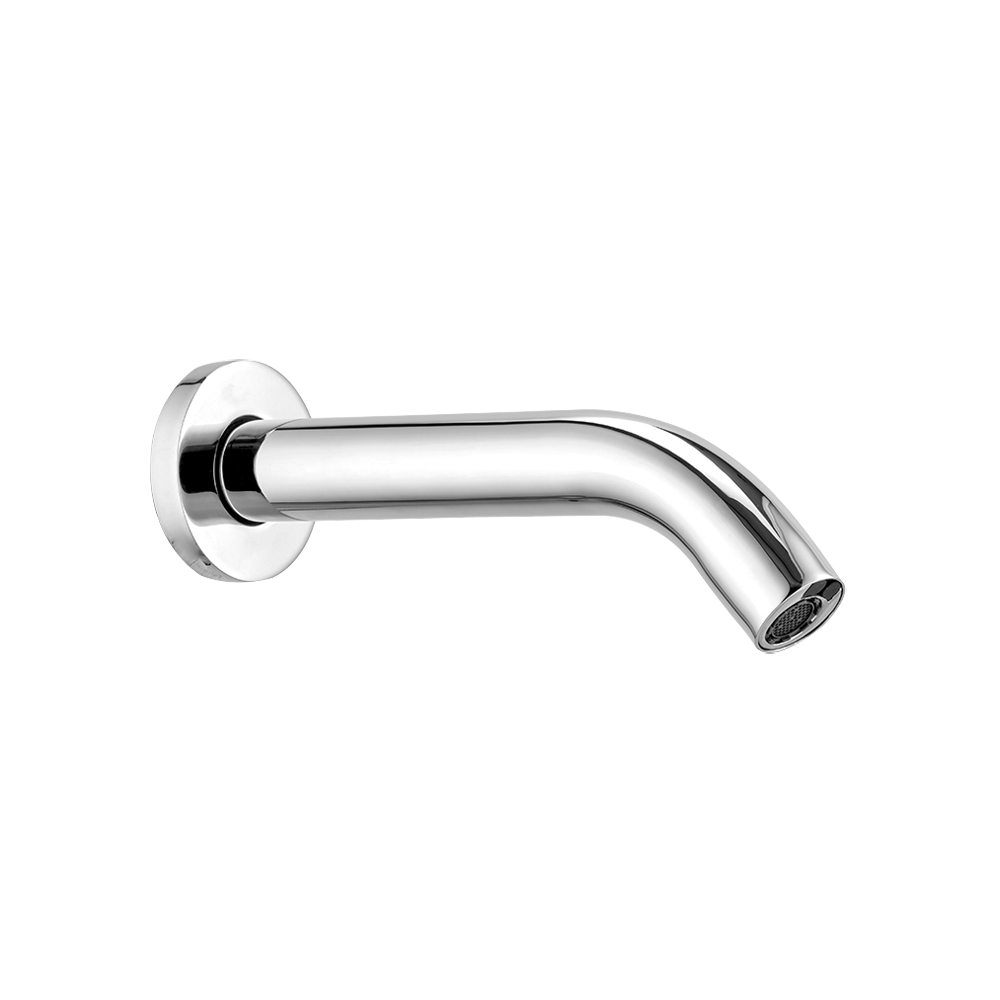
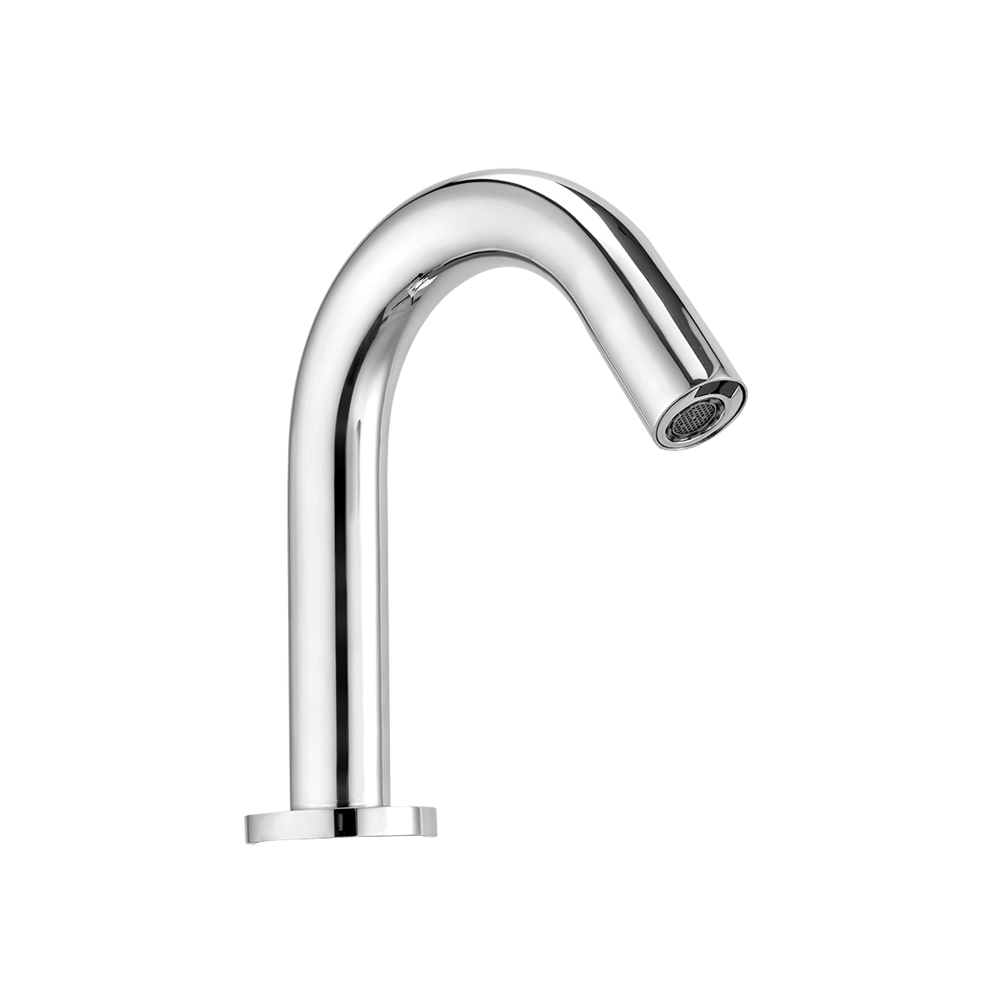
Sensor taps, also known as automatic faucets or touchless bathroom faucets, represent a breakthrough in bathroom technology. These innovative fixtures rely on sensor technology to detect motion, activating water flow without the need for physical contact. With infrared or motion sensors installed near the spout, the tap automatically turns on when hands are placed beneath it. Once hands are removed, the water flow ceases, to ensure minimal wastage and maximising water efficiency.
Different Types of Sensor Faucets
Touchless bathroom faucets are designed to suit various needs, environments and aesthetic preferences. Here are some of the most popular options:
1. Infrared
These are the most common type and use infrared light to detect hand movement. When hands enter the detection zone, the water is activated automatically.
2. Ultrasonic
These automatic faucets utilise ultrasonic waves for hand detection, offering higher accuracy and ensuring water is dispensed efficiently.
3. Capacitive
Designed to detect changes in electrical capacitance, these taps provide a seamless touchless experience.
4. Deck-Mounted and Wall-Mounted
Sensor water tap come in both deck-mounted and wall-mounted varieties, offering flexibility in installation to suit different bathroom designs.
5. Anti-Vandal
Built for high-traffic or public spaces, these taps are engineered with robust, tamper-resistant features to withstand frequent use.
6. Adjustable Range
Some models offer adjustable sensor detection ranges, making them versatile for various environments like offices, schools and hospitals.
These diverse automatic faucet designs ensure you can find the right match for your space while promoting hygiene and water conservation.
How Do Automatic Sensor Taps Work?
Automatic sensor taps are equipped with advanced sensor technology, most commonly using infrared or ultrasonic sensors. These sensors detect the presence of hands beneath the tap spout, providing a touchless experience. Here’s a closer look at how touchless bathroom faucets function:
- Sensing Mechanism: When a hand enters the sensor’s detection range, typically within a few inches of the spout, the sensor is triggered.
- Water Activation: Upon detecting the presence of hands, the sensor sends a signal to the solenoid valve, which opens to allow water to flow through the faucet.
- Automatic Shut-Off: Once hands are removed from the sensor’s range, the absence of motion is detected, and the solenoid valve closes immediately, stopping the water flow. This ensures minimal water wastage.
- Adjustable Settings: Many automatic sensor taps come with customisable settings, allowing users to adjust the sensor’s detection range and the duration for which the water flows, offering greater control and efficiency.
These taps are powered by either batteries or a direct electrical connection, with energy-efficient models requiring minimal maintenance, making them both convenient and eco-friendly for everyday use.
Benefits of Installing an Automatic Sensor Tap in a Commercial Washroom
In commercial and public settings, automatic sensor taps offer a range of benefits:
- Enhanced Hygiene: As touchless bathroom faucets, they eliminate the need for physical contact, reducing the risk of cross-contamination and promoting a cleaner, safer environment.
- Water Conservation: By dispensing water only when hands are detected, sensor water taps can reduce water consumption by up to 50%, resulting in lower water bills and supporting sustainable practices.
- Cost Savings: Less water wastage and reduced maintenance costs due to fewer leaks or malfunctions contribute to long-term savings.
- User Accessibility: Ideal for users of all ages and abilities, automatic faucet technology ensures ease of use without the need for touching handles.
- Modern Aesthetic: With their sleek, minimalist designs, sensor taps elevate the visual appeal of any bathroom, while anti-vandal models ensure durability in high-traffic areas.
- Low Maintenance: The fewer moving parts in sensor taps mean less wear and tear, and many models include self-cleaning features to maintain performance over time.
FAQs
What is a sensor tap?
A sensor tap, also known as a touchless faucet, is equipped with an integrated sensor, typically infrared, that detects hand movement. When hands are placed under the spout, the sensor activates the water flow, which stops automatically once hands are removed. This feature of the automatic faucet ensures better hygiene by preventing direct contact and helps reduce water wastage.
Are sensor taps easy to install?
Yes, sensor taps are generally easy to install, particularly battery-powered models. The installation process of this touchless bathroom faucet involves connecting hoses, mounting the tap, inserting batteries or connecting it to a power source, and attaching the control box and sensor cable.
Does the sensor tap need electricity?
Yes, a sensor water tap requires electricity to operate the sensor and solenoid valve. This power can come from batteries or a direct electrical connection, depending on the model.
Are sensor taps durable?
High-quality sensor faucets from reputable manufacturers are built to last. They are designed to withstand frequent use and are made from robust materials such as brass, ensuring reliability and durability.
Do sensor taps need a power supply?
Yes, sensor water taps need a power supply to function. This can either come from batteries or a direct mains electrical connection, depending on the model.
Can sensors work without electricity?
Sensors in sensor water taps cannot operate without a power source. However, battery-powered models do not require a direct electrical connection, as they can operate independently using batteries.
Which sensor is used in the automatic faucets?
Automatic sensor taps primarily use infrared sensors, often with Active Infrared technology, to detect hand presence and initiate water flow. Some models may also use ultrasonic sensors for more precise detection.
How does a wall-mounted sensor tap differ from a standard tap?
A wall-mounted sensor water tap is installed on the wall above the basin, operating touchlessly with a sensor, while a standard tap is manually operated and typically mounted on the basin or countertop.
Can sensor taps be used in kitchens?
Yes, sensor taps or automatic faucets are suitable for kitchens, providing hands-free operation that enhances hygiene and convenience, especially when handling food or dirty dishes.
What maintenance do sensor taps require?
Sensor taps require minimal maintenance, mainly consisting of periodic cleaning of the sensor and spout. Occasional battery replacement or checking the power supply is necessary to ensure the consistent operation of the touchless bathroom faucet.